
What Are the Signs That a Window or Door Needs to Be Replaced?
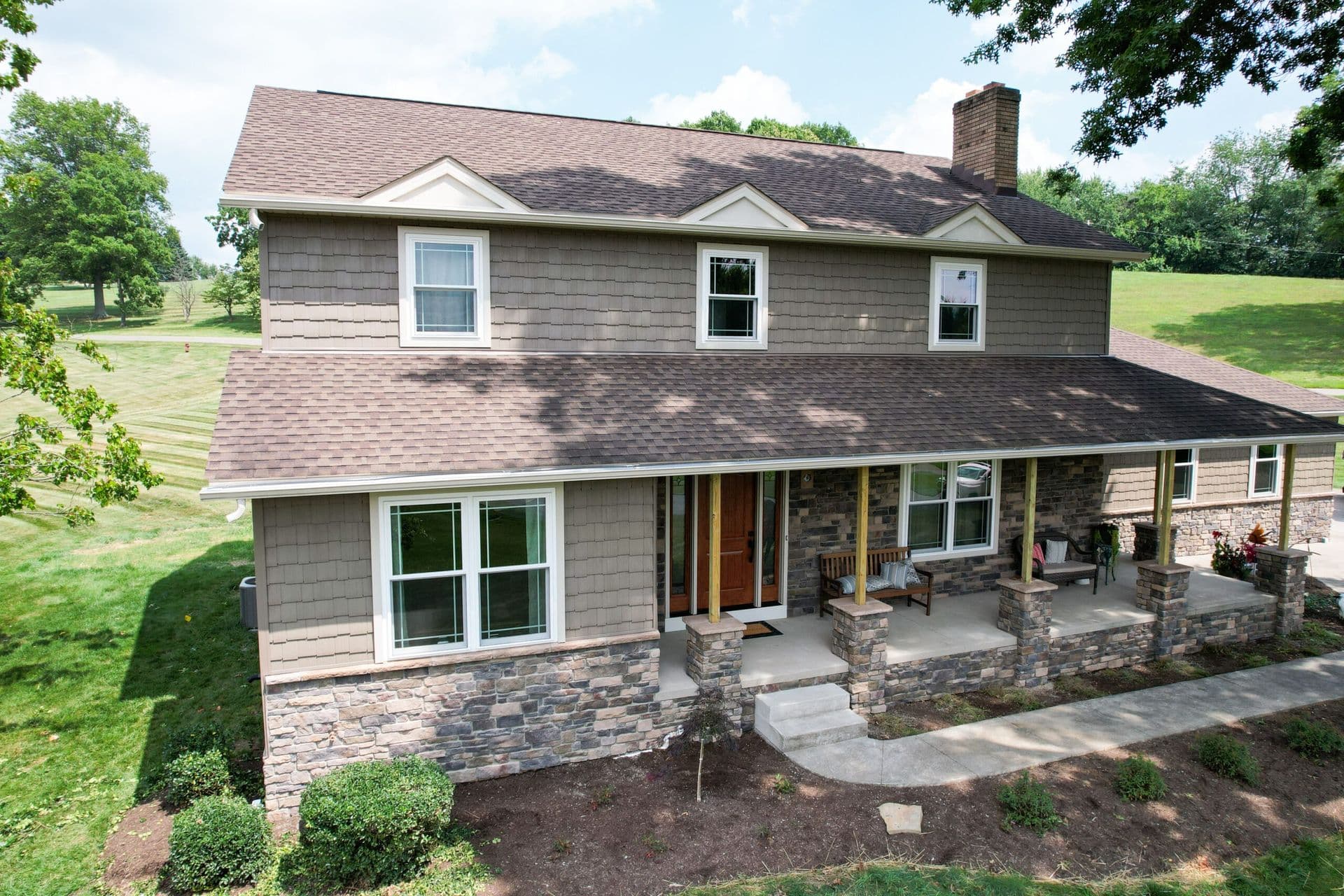
Not every draft or sticky hinge means you need new windows or doors—but some warning signs shouldn’t be ignored. According to Teddy Wettlaufer, Sales Manager at McCoy Roofing, knowing what to look for can help homeowners avoid bigger, costlier problems later.
Teddy notes that many homeowners treat visible issues as purely cosmetic. They might repaint or seal around a window, not realizing that moisture has likely gotten underneath the paint or into the frame. When that happens, what looks like a surface problem can turn into rot beneath the surface.
Below, Teddy explains how to tell when small issues point to larger structural or energy-efficiency problems.
What Are the Most Common Red Flags Homeowners Should Look For?
“If you can see daylight from the top or bottom of your door, that means it’s not energy efficient or secure,” Teddy says.
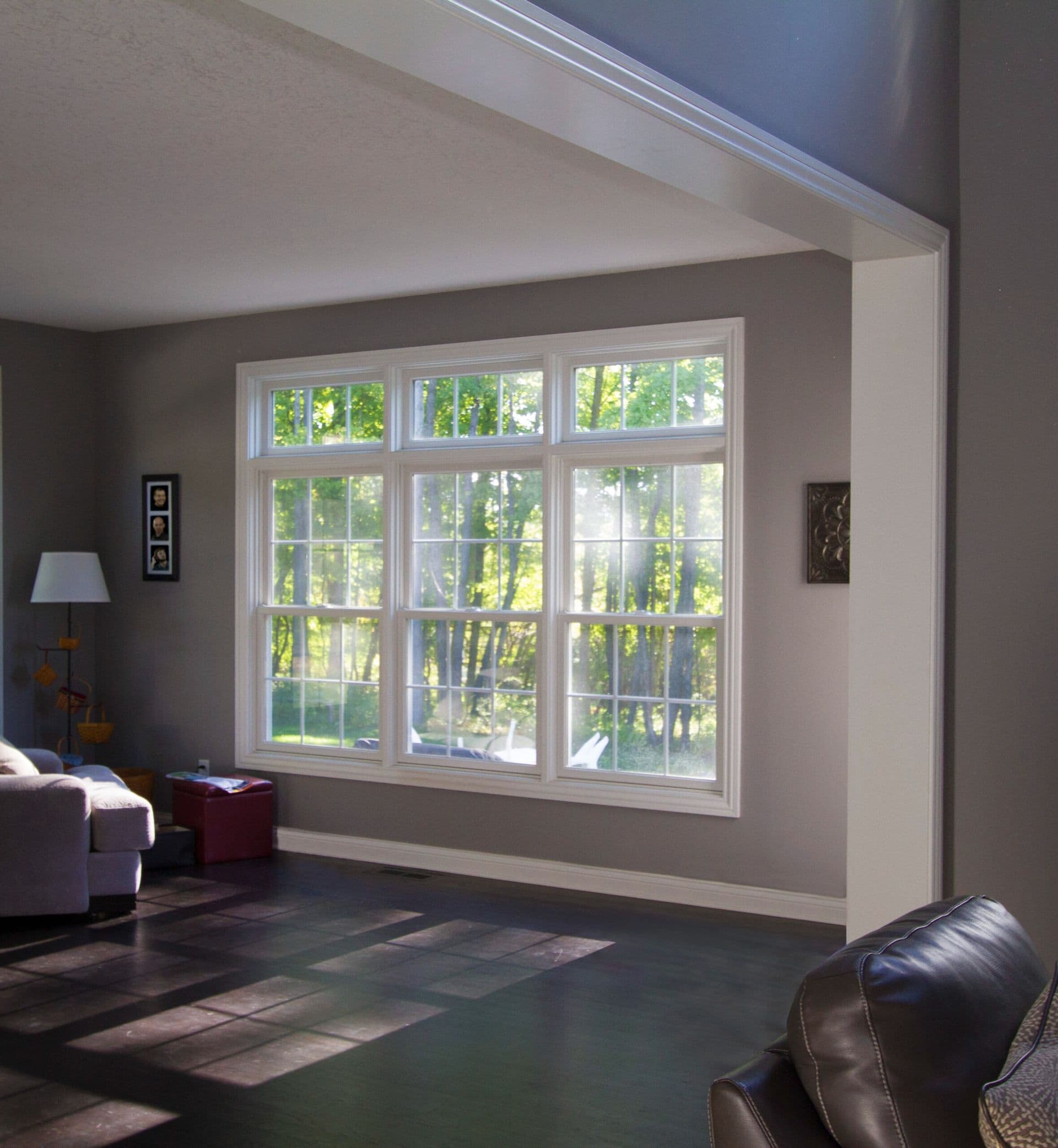
Windows have their own telltale signs: “If they’re drafty, cold to the touch in winter, foggy between the panes, or showing dry rot on the frame, those are all red flags. You might also see dust building up inside your windows or notice they’re hard to open or close.”
How Can a Drafty Window or Sticky Door Indicate a Bigger Issue?
“If a door is drafty and letting in air, it’s probably letting in moisture too,” Teddy explains. “That moisture can get into your drywall or framing and lead to much bigger problems.”
Windows behave the same way. “If you feel a draft, that window has expanded and contracted so many times that it’s no longer protecting your home the way it should.”
Are Cosmetic Signs Like Peeling Paint or Condensation Worth Worrying About?
“The answer is sometimes,” Teddy says. “Peeling paint might just mean it’s time to repaint, but it can also mean moisture has gotten underneath the paint—which can lead to rot.”
Condensation deserves attention, too. “Fog between panes isn’t just humidity—it usually means the seal has failed and moisture is trapped inside the glass. At that point, you’ll want an expert to inspect it and make a recommendation.”
What Hidden Problems Often Show Up During a Professional Inspection?
“Most people don’t realize those dark spots on the inside of their wood windows are actually mold,” Teddy says. “And sometimes it’s black mold, which can be extremely dangerous.”
Other hidden issues include moisture that seeps into the wall cavity. “If you see little runners or streaks near the frame, that’s often moisture moving behind the paint. It’s a good idea to have it checked before it spreads.”
How Can Old Hardware or Frames Signal It’s Time to Replace, Not Repair?
“If your window crank is stripped out and living in your kitchen drawer, that’s a sign we’re past the point of repair,” Teddy laughs. “When the wood expands and contracts, the gears can’t catch anymore—and that’s not fixable.”
He adds, “If you start to notice gaps in your windows or one side sits higher than the other, that’s a clear sign it’s time to replace, not repair.”
The Bottom Line on Window and Door Replacement
Windows and doors don’t just protect your home—they define its efficiency and comfort. Small issues like drafts or sticky hardware often point to deeper problems that only get worse with time.McCoy Roofing offers free window and door inspections to help homeowners identify trouble spots early and prevent costly repairs. Schedule yours today and keep your home secure, efficient, and comfortable year-round.
Request A Free Inspection!
+ 0% Interest for 24 Months


Schedule Your Free Inspection Today!

Contact Us
-1213x485.jpg&w=3840&q=75&dpl=dpl_CSZQpr434UrZGbBNBXdL42cc945T)