
The Hidden Cost of Waiting: Why Roof Repairs Get Pricier in Winter
When it comes to your roof, waiting can be expensive—especially once temperatures drop. We sat down with McCoy Roofing Sales Manager Zach Varadi to discuss why timely maintenance matters and how homeowners can protect their homes before winter sets in.
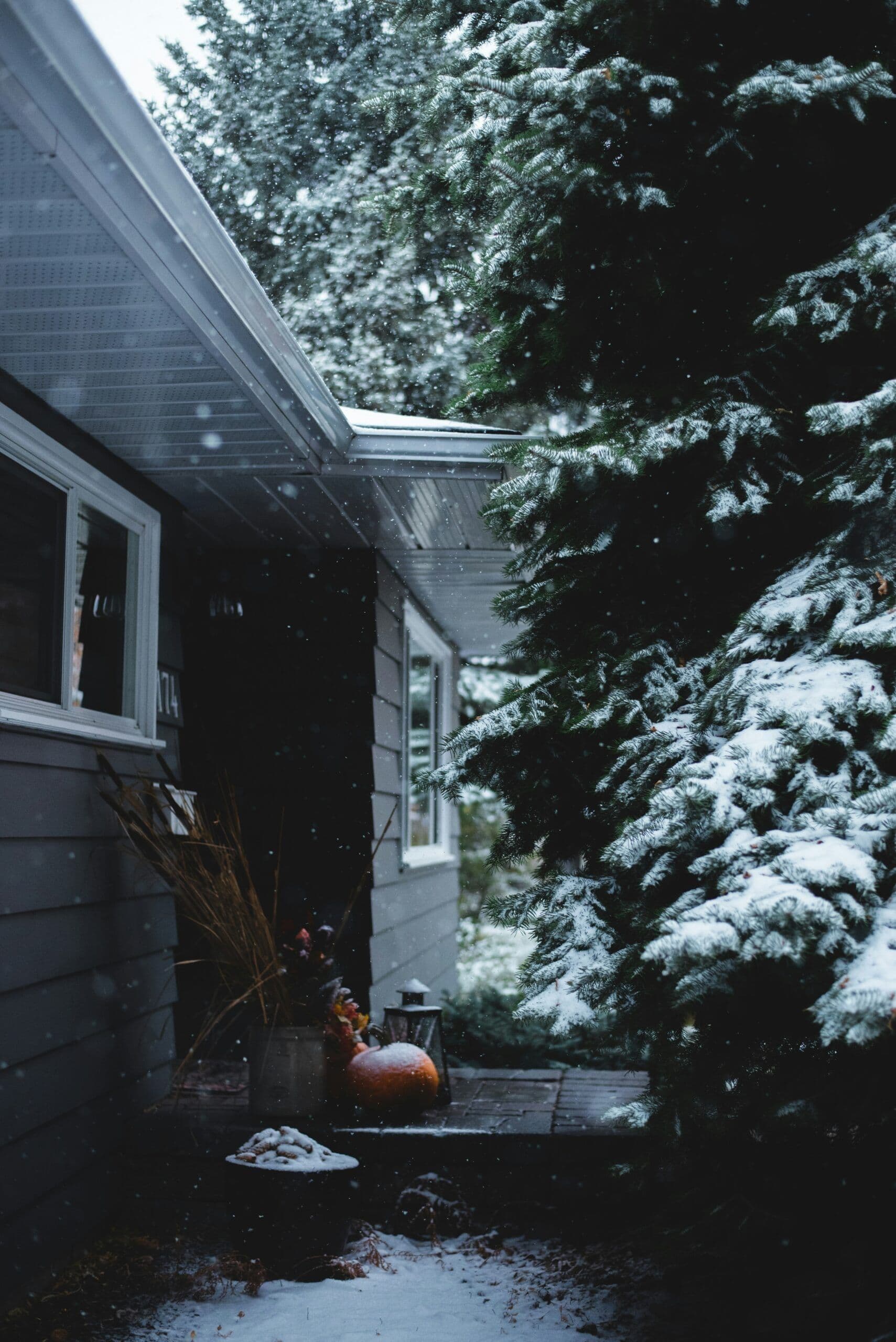
Q: Why do roofing problems cost more to fix in winter?
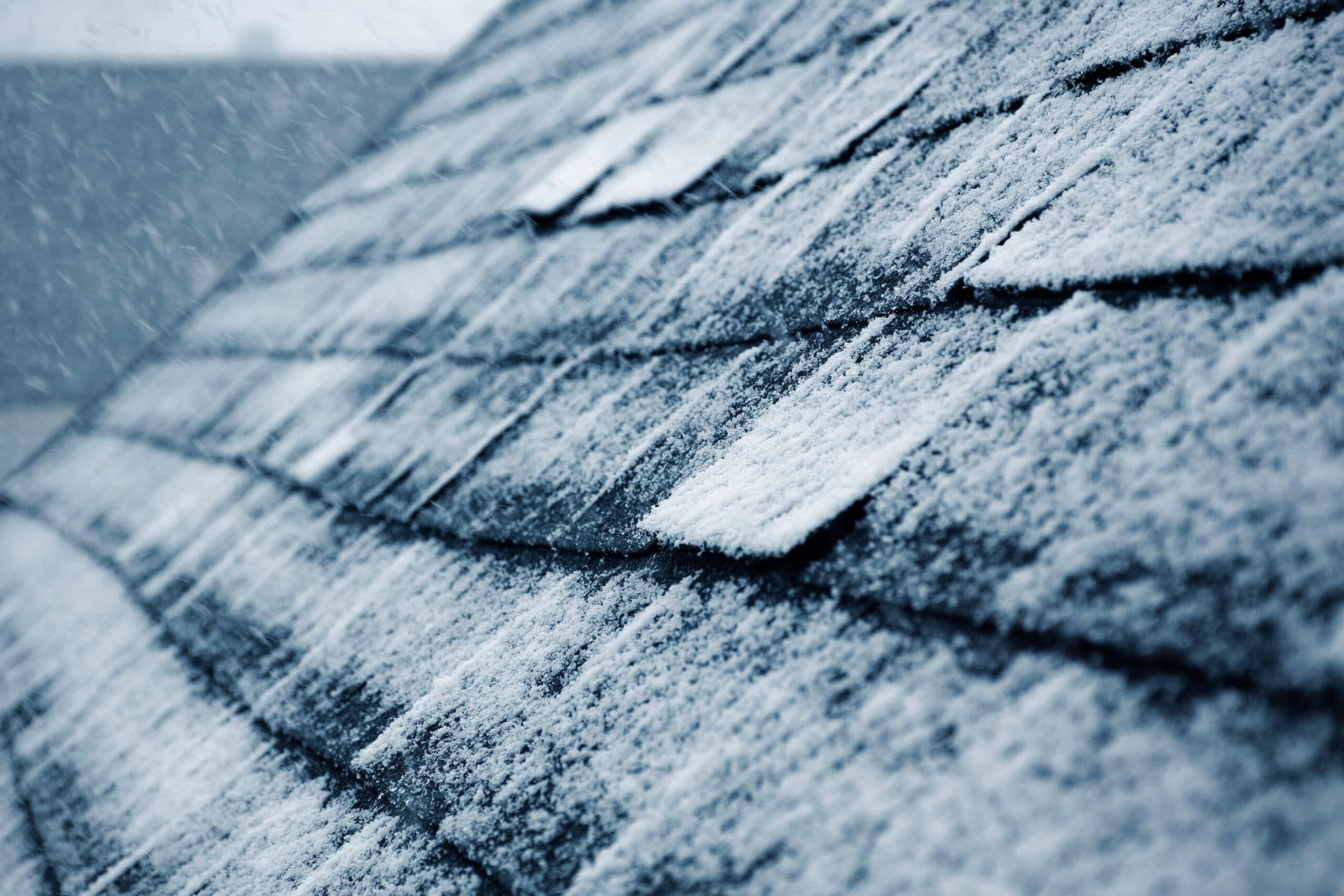
“Because ice is scary,” Zach says plainly. “No reasonable roofer is going to do a full roof job in the winter because the shingles need to seal down in the heat.”
When shingles don’t seal properly, they’re vulnerable to wind, moisture, and cracking. Cold temperatures make shingles brittle and difficult to work with—sometimes rendering them “not necessarily serviceable in the wintertime,” as Zach puts it.
That means many homeowners who wait until winter end up paying twice: once for temporary patch work to hold them over, and again for the full replacement in spring.
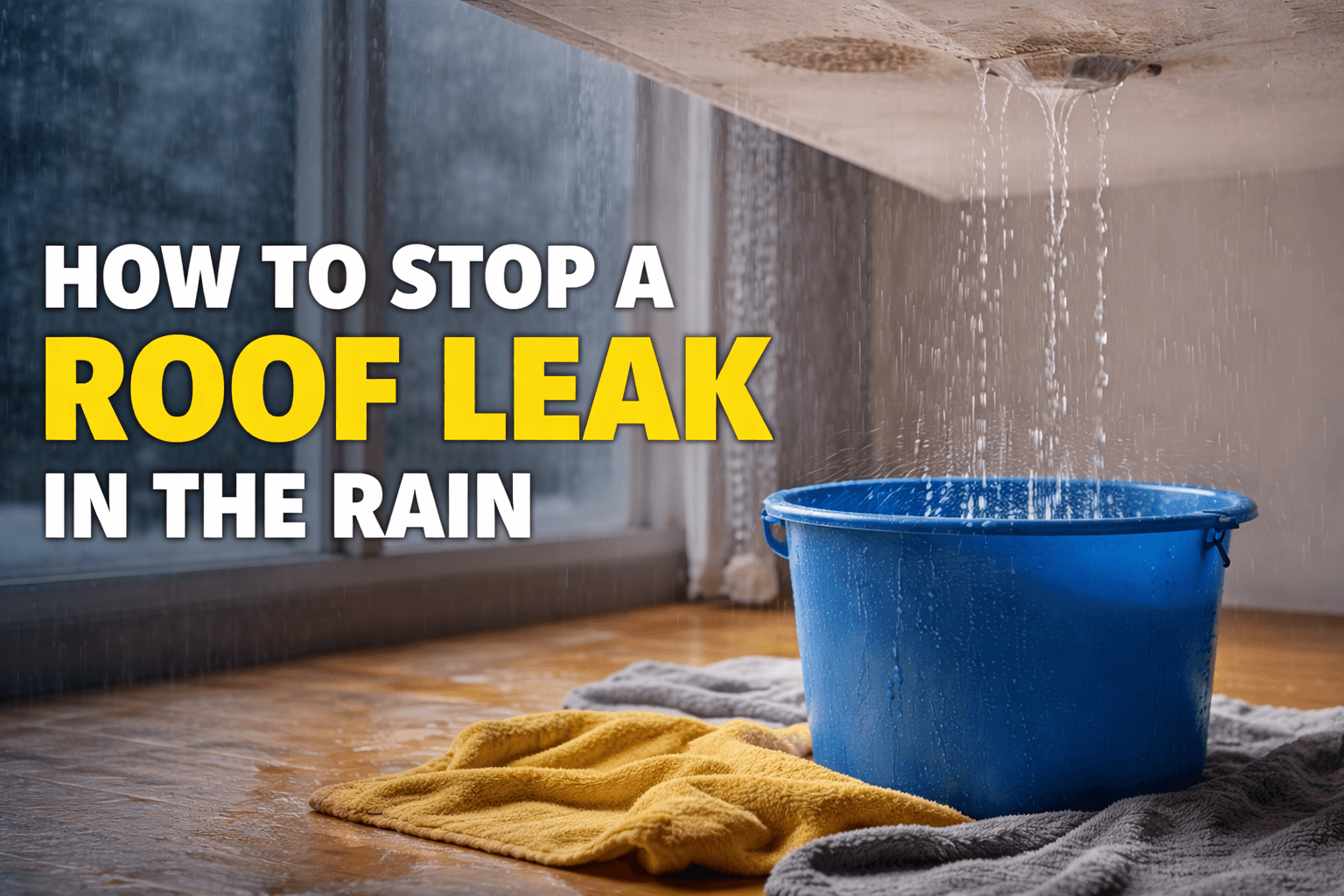
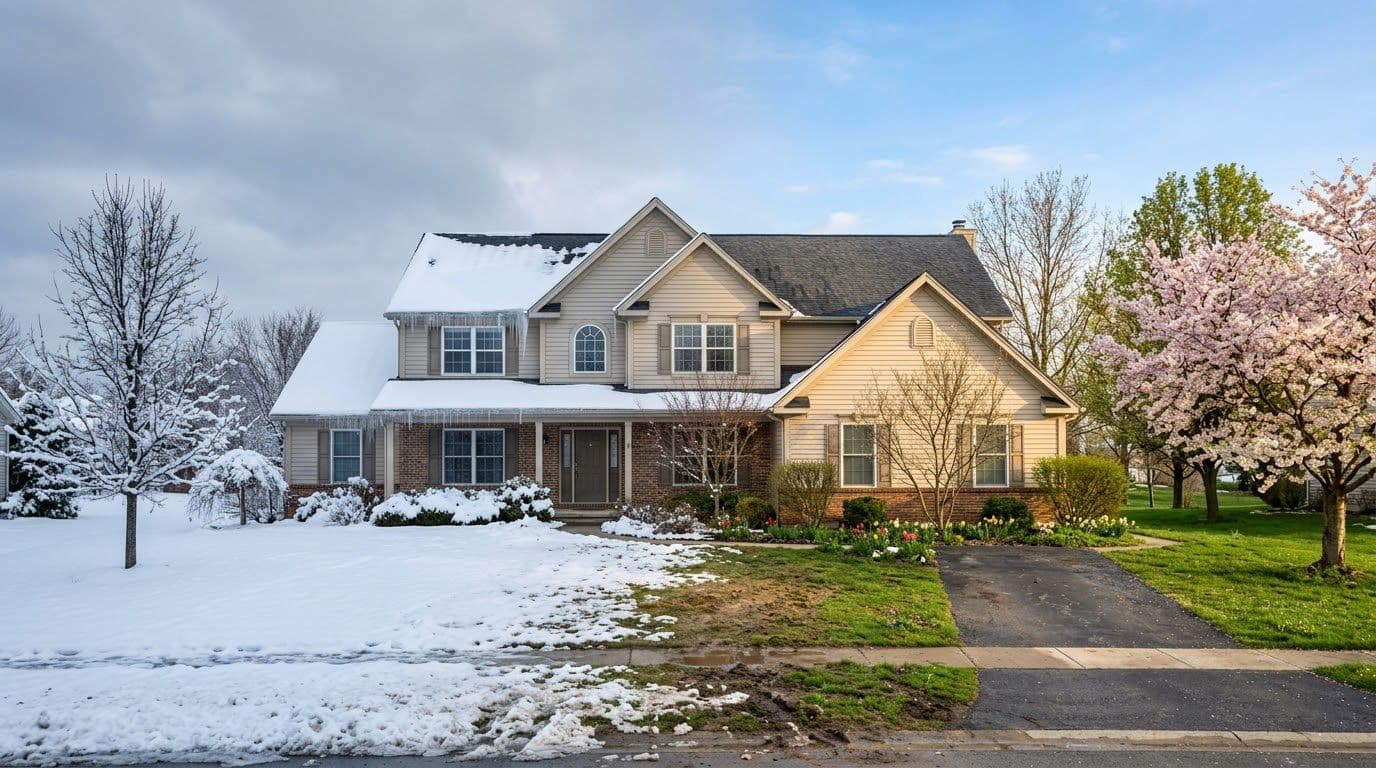
And the longer damage sits, the more it can cost. “Leaks and water damage can start small but spread fast,” Zach says. “Think icicles and ice dams—those can lead to leaks on the inside, which are expensive and lead to further damage. It’s that old adage: an ounce of prevention is worth a pound of cure.”
Q: What small issues become big problems if ignored through fall?
“Insulation and ventilation. This is essentially how your roof breathes.”
He explains that a lack of insulation can create condensation when warm indoor air meets the cold roof deck. “It looks like leaks—you’ll see water spots—but it’s actually condensation on the underside of your roof if you don’t have enough insulation. It’s like a Yeti cup. It doesn’t sweat because it’s insulated.”
Another often-overlooked culprit? Wind. “In winter we get really heavy winds,” Zach says. “If shingles blow off, it’s really hard to repair them in the cold. Loose ones can be spotted and fixed in the fall when the weather is nice.”
Q: How can delayed maintenance affect insurance coverage?
“Neglect,” says Zach. “Insurance calls anything that isn’t storm damage neglect. So, like it or not, you are the one meant to maintain your roof.”
If a storm causes the problem, coverage is straightforward. But if an adjuster finds evidence that the issue developed over time, it’s a much harder fight. Routine maintenance and inspection records make it easier to prove your case—and to prevent damage in the first place.
Q: Is it possible to repair a roof in winter safely?
“Kind of. There’s a lot of factors that go into it. If there’s snow, then no,” says Zach. “The temperature matters a lot.”
While McCoy Roofing has handled emergency repairs in the past, Zach is clear: safety and quality come first. “It’s a big liability and safety thing to go on frozen roofs. Is it impossible? No. Have we done it? Yes. Will we do it again? Yes—absolutely. But only when 100% necessary.”
Q: What’s the best time to schedule an inspection?
“Yesterday,” Zach jokes. “Inspections at McCoy are free—they don’t cost anything, and you don’t even need to be there.”
McCoy’s inspection process goes beyond roofing. “We inspect the whole exterior, even things we don’t do—including foundations. I’ll look at things and say, ‘Looks like there’s a bit of rot on that window, let’s keep an eye on it.’”
With each inspection, McCoy documents the home’s condition over time, helping homeowners build an action plan. “A timeline is a big thing,” Zach explains. “There’s no reason not to get an annual inspection. It’s free, it’s nothing but beneficial, and it’s not a sales pitch. It’s just a way to have a second set of eyes on your home—and it’s what we do every day.”
The Bottom Line on Waiting through Winter
The cost of waiting isn’t just financial—it’s structural. From brittle shingles and hidden leaks to potential insurance issues, a simple fall inspection can prevent major spring headaches.
Schedule your free inspection today at before winter weather sets in.
Request A Free Inspection!
+ 0% Interest for 24 Months
Schedule Your Free Inspection Today!
Contact Us
-1213x485.jpg&w=3840&q=75&dpl=dpl_CSZQpr434UrZGbBNBXdL42cc945T)